

Your outdoor space is an extension of your home, a place where you can relax, entertain, and enjoy the beauty of the outside. However, over time, weather conditions can take its impact on your pavers, leaving them look dull and drab. Regular upkeep is crucial not only for appearance but also for the longevity of your pavers. In this ultimate guide to cleaning pavers, we will cover all you should be aware of to revitalize your outdoor area, ensuring it stays attractive and functional for a long time to come.
From recognizing the signs that your brick pavers require expert cleaning to understanding the importance of sealing for optimal longevity, we will offer you with the insight and tools needed for effective paver maintenance. Whether you're dealing with stubborn oil stains, pesky weeds, or the hidden risks of mold and algae, we have you supported. Come along as we dive into the world of paver cleaning, offering you with expert tips, common mistakes to avoid, and essential maintenance checklists to keep your patio in excellent condition.
Signs Your Pavers Need Cleaning
One of the initial signs that the pavers require a deep cleaning is the presence of visible stains. Oil stains, rust spots, and food particles can turn quite evident over time, detracting from the overall look of the outdoor space. If you see these stains building up, it is a strong indication that a thorough cleaning is necessary to bring back the pavers’ initial beauty.
A further indicator can be the presence of fungus, green growth, or mildew, particularly in moist environments. These growths not only look unsightly but can also pose health risks and lead to further harm to your pavers. If you begin seeing dark green or dark discolorations on the patio or driveway, it is essential to take action quickly to avoid any long-term effects.
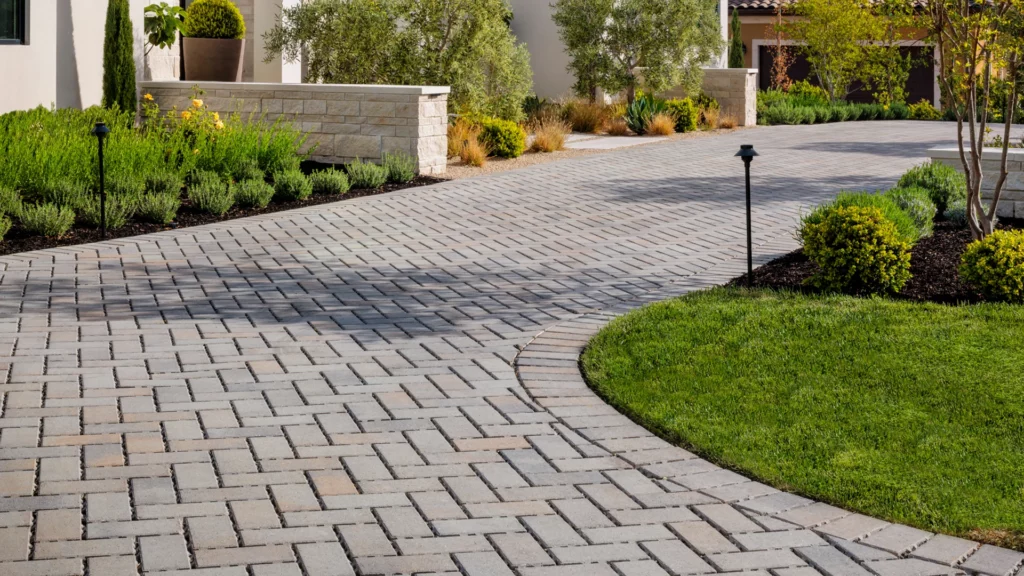
Weeds pushing through the joints in the spaces pavers also indicate the need for cleaning and maintenance. If these unwanted plants are turning into a frequent sight, it may be a signal that your paver joints have accumulated debris, which makes it easier for weeds to take root. Cleaning the pavers and putting back polymeric sand can assist keep your outdoor area looking neat and well-maintained.
Important Cleaning and Coating Advice
When scrubbing your pavers, start by using an environmentally safe solution that is safe for plants and the environment. This ensures you effectively remove grime, grime, and marks without disturbing your landscape. For tough blemishes, especially oil, consider using specific products designed for brick washing. Apply the detergent generously, permitting it to lodge for a while to penetrate the surface before scrubbing with a rigid brush.
After thoroughly cleaning your bricks, it’s important to adequately seal them. Choose between shiny and matte sealers based on your visual preferences. Wet-look sealers boost the colors and provide a glossy finish, while flat sealers offer a unpolished look. Before putting on the sealer, make sure the pavers are completely dry, as this will guarantee better sticking and durability of the finish.
Routine care is essential for the durability of your bricks. Aim to clean and coat your concrete bricks every two to 4 years, depending on factors like climate and use patterns. Use https://perfectpaverco.com/ -quality jointing sand for your joints after scrubbing to prevent weed growth and secure the area. Following these tips will help keep your deck looking fresh and extend the durability of your tiles.
Grasping Paver Stone Upkeep
Caring for your pavers is crucial for their durability and appearance. Ongoing upkeep not only improves the appearance of your patio or driveway but also prevents more serious complications from developing. Routine cleaning and coating help protect your investment from damage caused by dampness, mold, and everyday abrasion. Ensuring pavers in excellent form ensures that they continue to be a beautiful and useful part of your landscape.
Timing is key when it comes to paver maintenance. The regularity of cleaning and treatment is influenced by several factors such as level to UV rays, foot traffic, and climate. A general guideline recommends maintaining brick pavers at a minimum once a twelve months and coating them every two or three seasons. However, if you see evidence like discoloration or the spread of weeds, it may be time for a more extensive wash and renewal. Regular checks can help you manage maintenance needs.
Finally, using the appropriate products and techniques is essential for proper paver maintenance. Home occupants should stay away from typical errors such as using strong chemicals or wrong pressure settings when washing. It’s advisable to opt for environmentally safe cleaning products that are non-toxic to flora and animals. Additionally, recognizing the value of polymeric sand in your paver joints after maintenance can avoid weed growth and keep your pavers firm. Consulting a contractor can also guarantee that the work is done correctly, providing comfort and preserving the aesthetic of your exterior area.